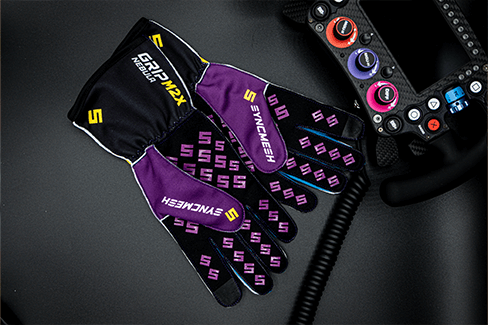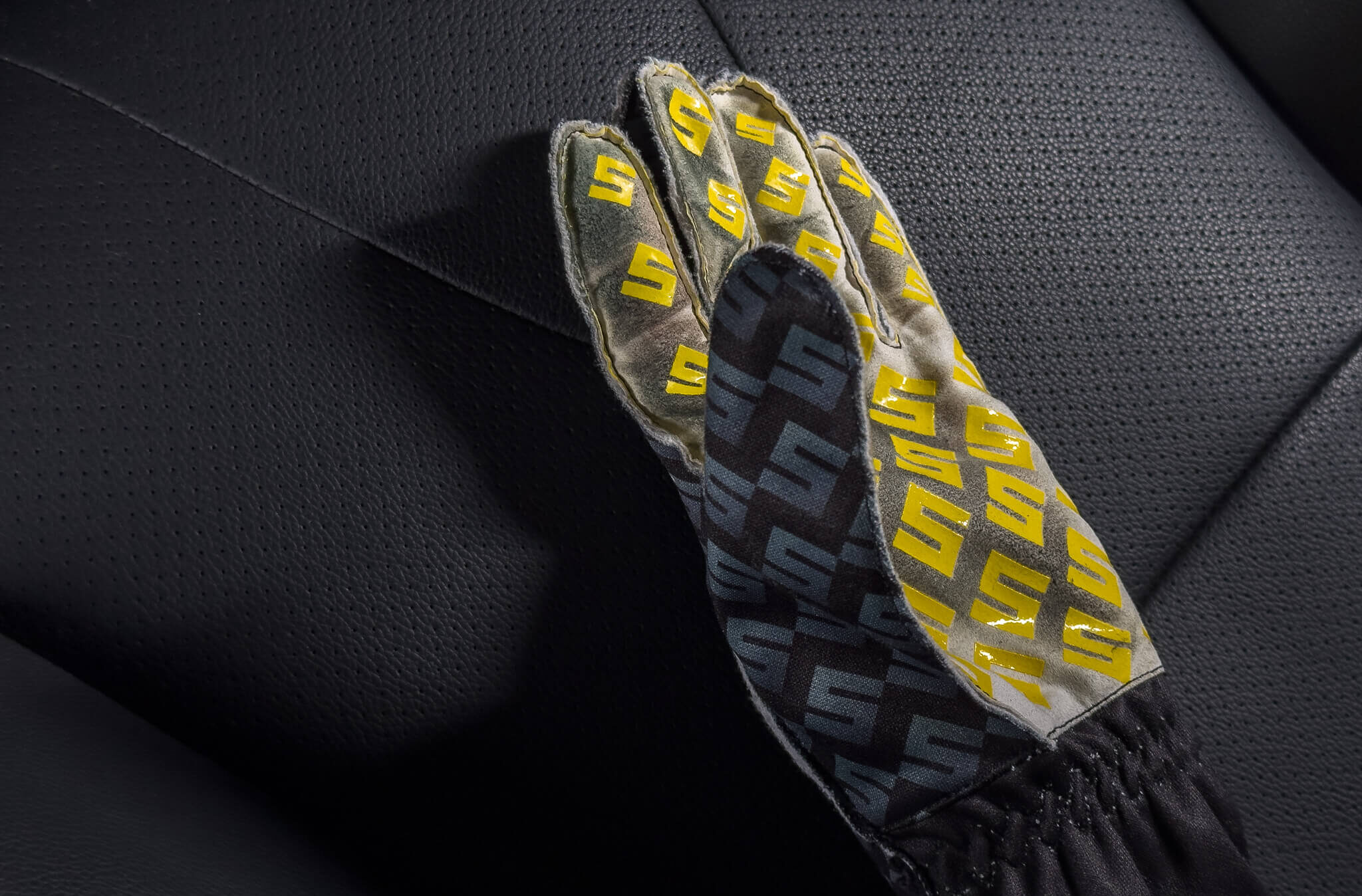
Every so often someone writes in to say the silicone on their palms has stopped sticking. Usually the gloves have been through a washing machine.
In most of those cases the silicone is still fine. It’s coated in a film. Here’s what the machine does to a glove, how to wash one properly, and how to get the grip back.
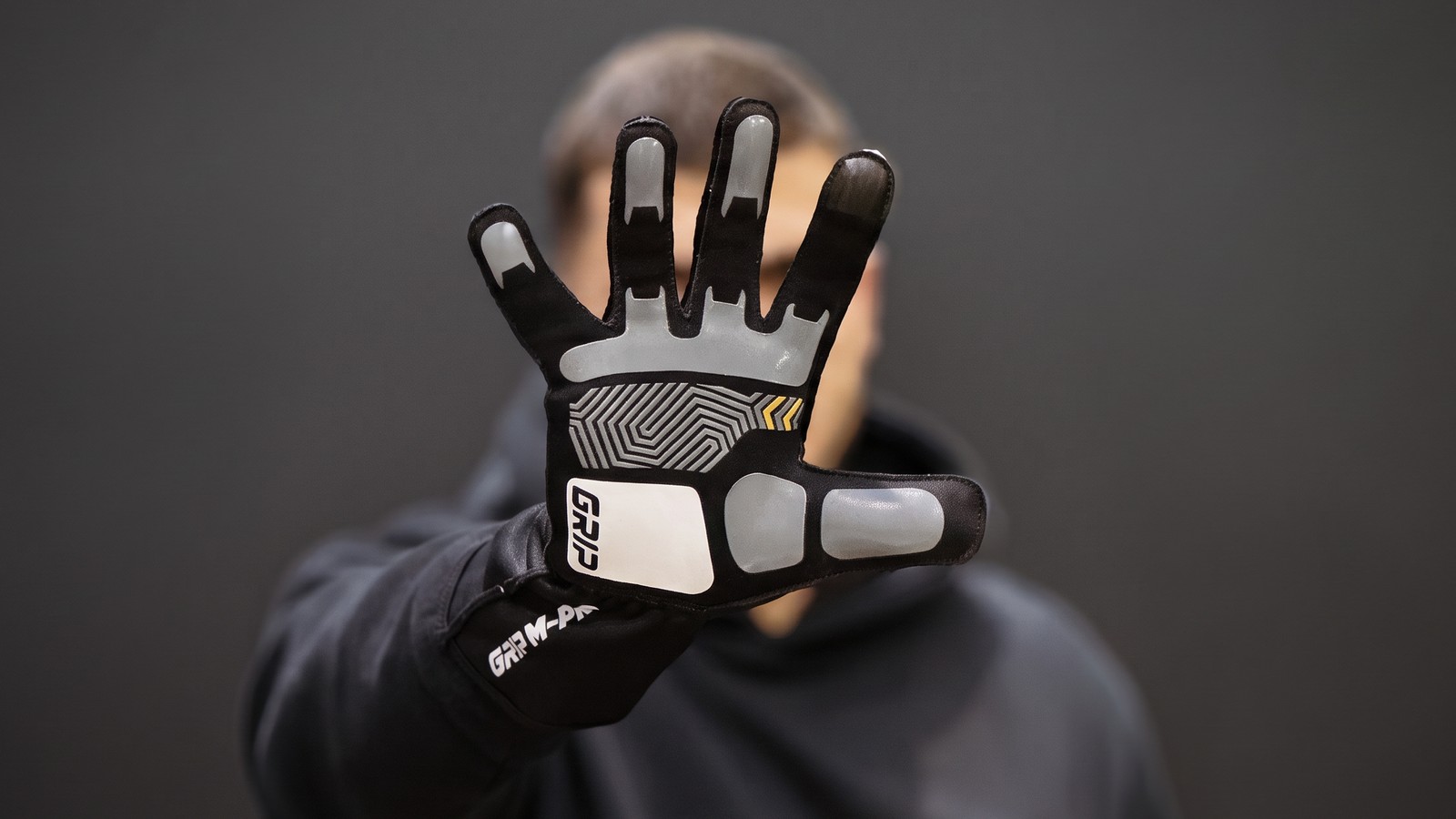
What the washing machine actually does
Fabric softener. Softener works by leaving a lubricating film on fabric so it feels plush. It leaves that same film on silicone. Your grip goes slick and stays slick until you strip the film off.
Heat. Hot cycles and tumble dryers attack the bond between the silicone and the polyester underneath it. That’s what makes grip lift at the edges and peel away. Peeled silicone doesn’t come back.
Detergent. Strong alkaline powders and anything with bleach dry the silicone out over repeated washes until it hardens and cracks.
The drum. Twenty minutes of tumbling stretches a fitted glove out of shape and grinds the grip pattern against the drum, the zips, and whatever else is in there.
Only the first one is reversible.
How to hand wash them
Takes about five minutes at a sink.
- Lukewarm water, mild detergent. 30°C at most. A few drops of gentle liquid detergent or plain dish soap. No bleach, no softener, no biological powders.
- Wash the fabric, wipe the palms. Submerge the gloves and work the fabric gently with your hands. On the silicone, wipe lightly with your fingers or a microfibre cloth to lift hand oils and wheel dust. Don’t scrub the palms against each other.
- Rinse until the water runs clear. Soap residue is a film too. If you leave it on the palms, you undo the wash.
- Press the water out, don’t wring. Twisting stretches the fabric and shears the silicone off it. Lay the gloves flat on a dry towel, roll the towel up with them inside, and lean on it.
- Air dry flat, away from heat. Somewhere ventilated, out of direct sun. Never a radiator, never a dryer.
Between washes
How you store gloves between sessions decides how often they need washing at all. Air dry them fully after every session, and don’t leave them balled up damp in a rig bag or a drawer. Store them flat and dry, out of sunlight.
Getting the grip back
If the silicone is still intact but feels slippery, something is sitting on top of it. Hand oils, wheel dust, or softener residue from an earlier wash. The silicone hasn’t lost its properties, it just isn’t touching anything any more.
Use isopropyl alcohol.
- Dampen a clean microfibre cloth with isopropyl (70% or 99%, both work; 99% flashes off faster).
- Wipe the silicone on the palms and fingers firmly.
- Let it dry. Takes seconds.
The alcohol strips grease and chemical film without degrading the silicone, and the tack comes back with it. Keep the cloth on the palms though. There’s no reason to wipe alcohol across the printed panels on the back.
When the grip is genuinely gone
Alcohol fixes a film. It doesn’t fix physical damage. If the silicone has peeled, cracked, or worn through to the fabric, that section is finished, and gradual palm wear over a year of hard use is normal on any glove.
Care damage isn’t a manufacturing defect, so a machine-washed pair sits outside the 90-day warranty. That’s why hand washing is written into our care terms.